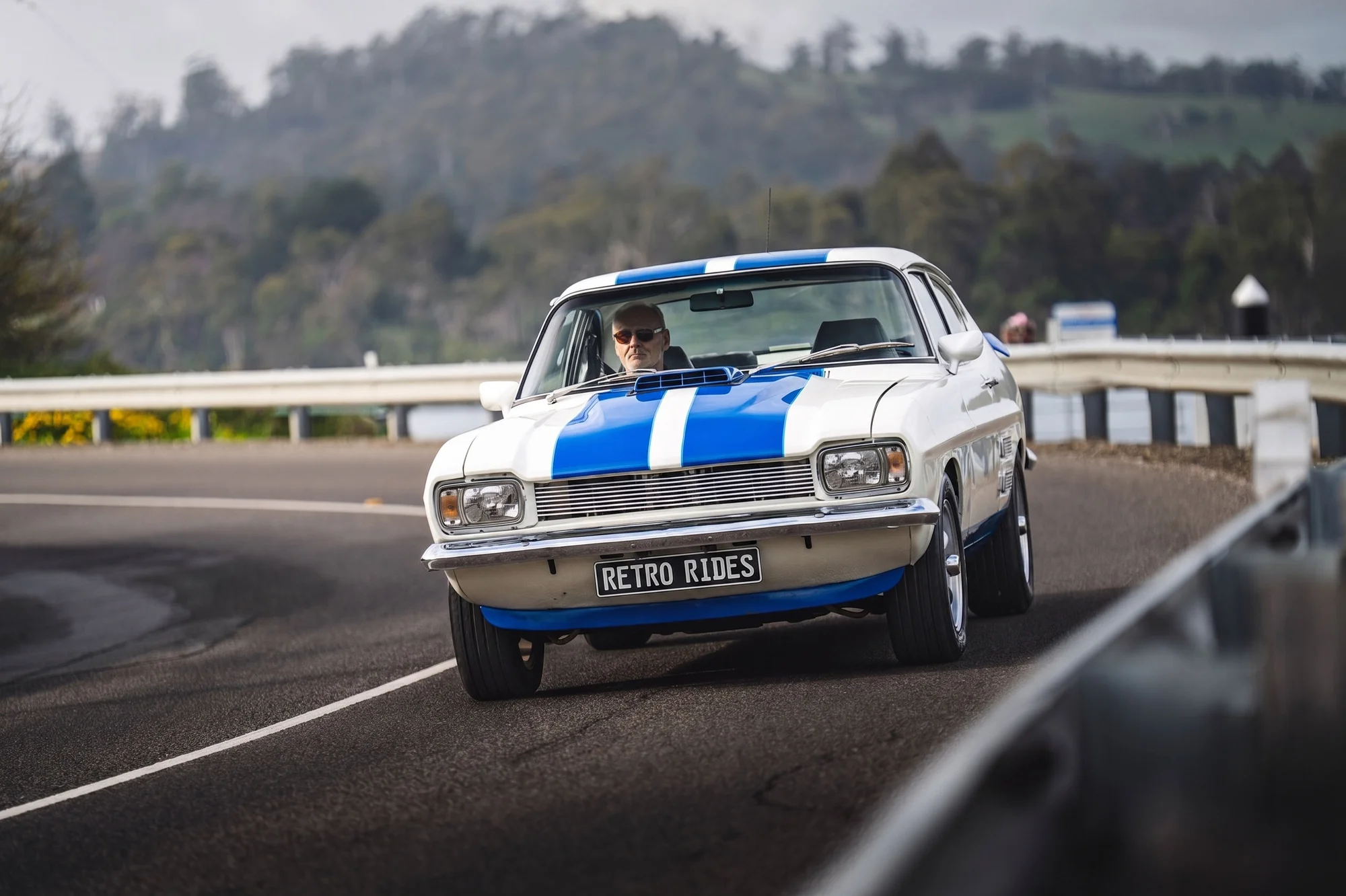
Retro Rides had a clear idea of the product they wanted to build. They weren’t launching a simple marketplace.
The goal was a platform where classic car enthusiasts could browse vehicles, run auctions, join clubs, attend events, and stay connected with what was happening across the community. Several integrations were already underway and a national campaign was approaching quickly. They needed the platform to launch.
We joined the project partway through development, with multiple systems already in motion and a fixed timeline ahead. The job wasn’t to start again. It was to bring the moving pieces together and help get the platform ready for real users. That shaped how the work unfolded from the beginning.
A platform shaped around how enthusiasts actually interact
Retro Rides sits somewhere between a marketplace and a community environment. People browse vehicles, but they also follow auctions, organise club activity, attend events and keep an eye on what’s happening across the scene. The structure of the platform needed to support all of those behaviours without feeling fragmented.
Some of that work had already started when we joined. Some of it needed stabilising. Some of it needed connecting more carefully so that new features wouldn’t create problems later.
Rather than separating listings, clubs and events into isolated sections, the platform allows them to sit alongside each other. Someone browsing vehicles might discover an event. Someone joining a club might later return to sell a vehicle. Those connections help the platform feel like part of the community rather than something sitting outside it
Working with what already existed
Several external services were already connected or planned when we became involved. Vehicle data needed to flow into listings. Pricing guidance supported buyers as they compared vehicles. Activity across the site connected back into the Retro Rides CRM so the team could stay close to what their audience was doing as the platform grew.
Projects like this rarely move in a straight line. Integrations evolve as priorities shift and timelines tighten. Part of the work was making sure those connections behaved predictably as the platform moved toward launch.
That meant testing carefully, introducing changes in stages and making sure the site continued to behave reliably as new pieces were added. It’s the kind of work that sits behind the surface of a platform but determines how stable it feels once people begin using it.
One of the realities of a startup is that your product strategy evolves constantly. As you learn from customers, priorities change, features move, and new opportunities emerge.
Cameron Jurd, Founder & CEO, Retro Rides
Launching in time for a national campaign
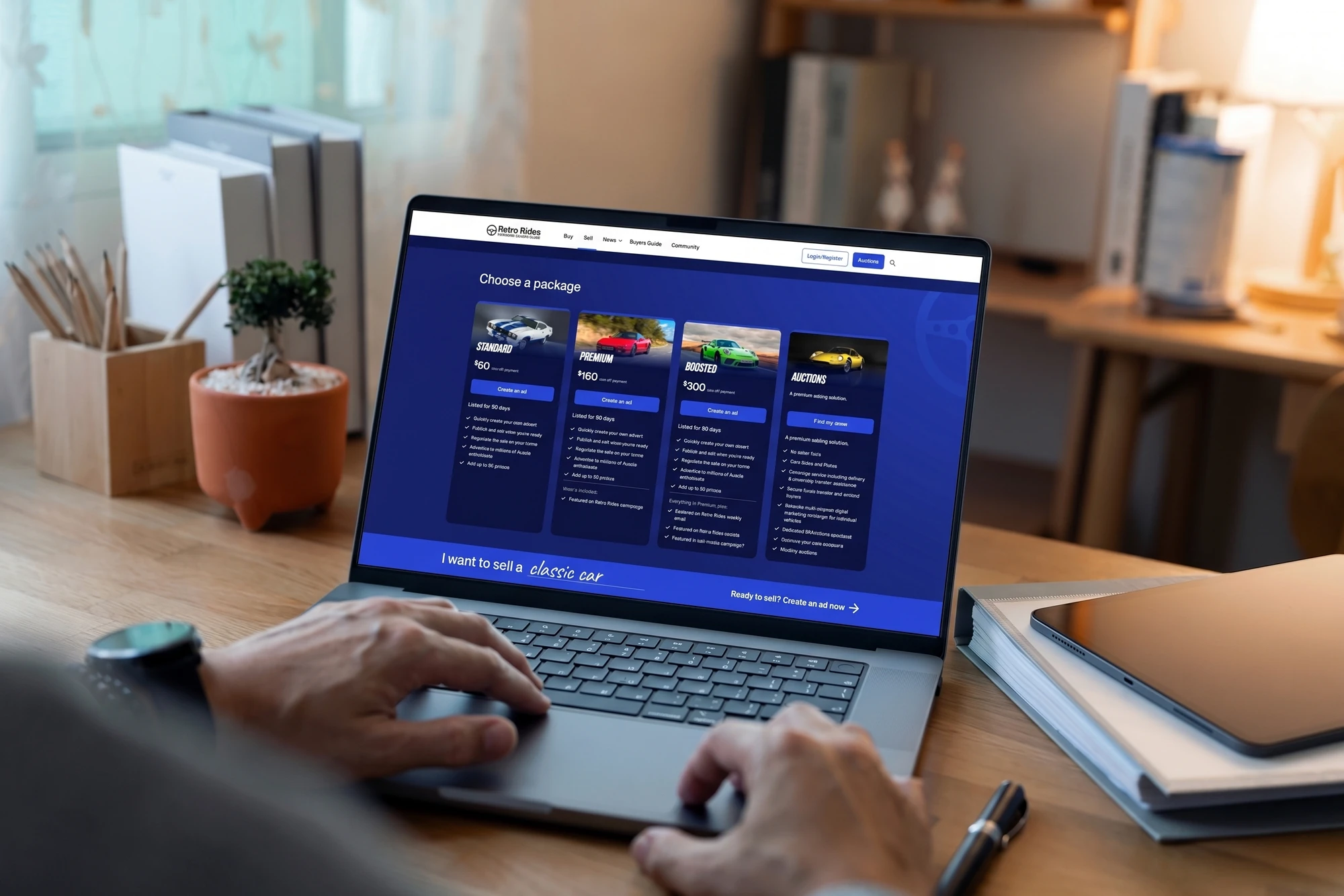
Timing shaped the delivery as much as the integrations did. The platform needed to be live in time for a national campaign, which meant focusing first on the journeys people needed immediately. Browsing vehicles, creating listings, participating in auctions and joining the platform all had to work reliably before anything else.
Other improvements followed afterwards as the roadmap continued. Working this way meant the platform could launch without locking the team into early assumptions about how everything should behave long term. decisions could be shaped by real activity once people began using the site.
Building alongside the Retro Rides team
Retro Rides stayed closely involved throughout the process. Priorities shifted as the timeline tightened. Some features moved into later phases. Others became more important as the platform took shape. Decisions were made together rather than handed over at the start and revisited only at the end.
That kind of collaboration changes how a platform develops. Instead of delivering against a fixed list of features, the work becomes something closer to shared problem solving as the platform grows into its final shape. It also helps make sure the platform reflects how the business actually operates rather than how it looked on paper at the beginning.
A foundation that can keep evolving
Retro Rides now has a platform where listings, auctions, clubs, events and CRM activity sit inside the same environment instead of being spread across disconnected systems.
Campaign traffic has somewhere meaningful to land. Listings connect into the broader customer picture. Community activity supports marketplace behaviour rather than sitting beside it.
That foundation matters more than any individual feature.It gives Retro Rides room to keep building as the platform continues to grow alongside the community it was designed for.
You don't just need a development agency, you need a partner that's agile enough to adapt with you. walterwakefield embraced that approach, working alongside our team to accommodate rapid shifts in direction without losing momentum. Their flexibility, collaborative mindset and ability to solve complex problems under significant time pressure were critical in helping us launch a platform that continues to evolve with our business.
Cameron Jurd, Founder & CEO, Retro Rides